
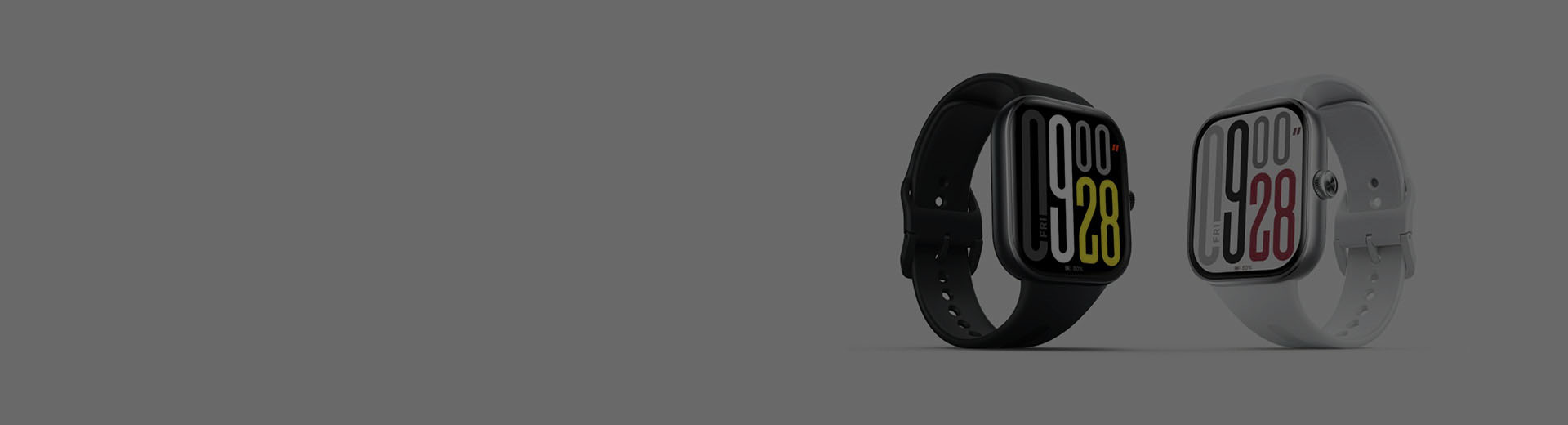
1、 Definition and Working Principle of Smart Watch
A smartwatch is a high-tech product that integrates a microcomputer, sensors, and communication module into the form of a watch. It achieves functions such as data processing, information display, and interactive control through built-in components such as an operating system, processor, and memory. Its working principle mainly relies on various sensors (such as accelerometers, gyroscopes, heart rate sensors, GPS, etc.) to collect user activity and physiological data, connect with smartphones or other devices through wireless communication technology (such as Bluetooth, Wi Fi, cellular network), synchronize and push messages, emails, phone calls and other information, and provide various services such as health management, exercise tracking, payment, etc. through applications.
2、 The Development History of Smart Watches
The concept of smartwatches appeared as early as the 1970s, but it truly entered the public eye with Pebble's Kickstarter crowdfunding project in 2012. This watch successfully achieved seamless connection with mobile phones and notification and reminder functions. Subsequently, Apple's release of the Apple Watch in 2015 further propelled the revolution in the smartwatch industry, introducing innovative interactive methods such as touch screens, Force Touch, digital crowns, and strengthening health monitoring capabilities. Since then, major brands have launched their own smartwatch products, such as the Huawei WATCH GT series, which has won market recognition for its long battery life and rich exercise modes, and Fitbit, which focuses on the field of sports and health and is loved by fitness enthusiasts for its accurate data tracking.
3、 Analysis of different types of smartwatches
(1). Sports and fitness smartwatches (such as the Fitbit series): focusing on sports and health monitoring, with accurate data statistics on heart rate, sleep, steps, etc. Some models also support swimming waterproofing and multiple sports mode recognition, suitable for sports enthusiasts or people with high demand for health management.
(2). Versatile flagship smartwatches (such as the Apple Watch Series): integrated with communication, payment, navigation, music playback, and many other functions, with strong ecosystem support and medical grade ECG detection function, suitable for users who pursue a multifunctional and convenient life experience.
(3). Business fashion smart watches (such as Huawei WATCH GT series): The appearance design is elegant and atmospheric, balancing health management and daily practical functions, such as making and receiving calls, checking emails, etc., and the battery life is outstanding, suitable for professionals or consumers who value fashion matching.
(4). Child safety positioning smartwatch: designed specifically for children, it has real-time positioning, electronic fence, one click call for help and other functions to ensure the safety of children. It also has simple and easy-to-use learning tools and entertainment applications, suitable as an auxiliary tool for parents to monitor their children.
4. The current situation and future trends of the smartwatch industry
Currently, the competition in the smartwatch market is fierce, with brands such as Apple, Samsung, and Huawei dominating and their market share increasing year by year. In terms of technological innovation, the advancement of battery technology has significantly improved the battery life of smartwatches, while the deepening of medical level health monitoring functions, such as blood oxygen saturation measurement and blood glucose monitoring, is expected to become a new competitive focus in the future. In addition, the improvement of independent communication capabilities makes smartwatches increasingly independent of mobile phones, and the improvement of the ecosystem will further enrich the user experience and enhance the linkage between devices, such as the deep integration of smartwatches and smart homes.
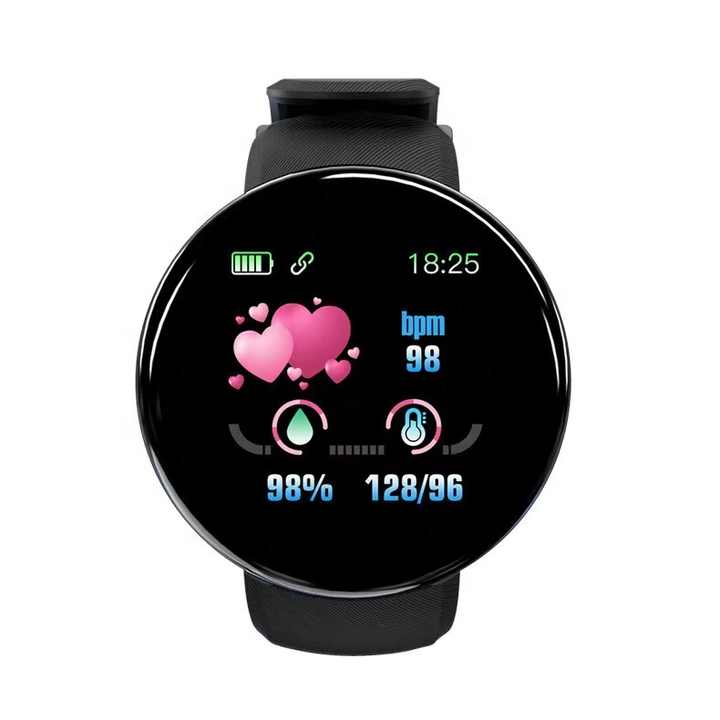 How does a smartwatch measure blood oxygen? Let's explore th
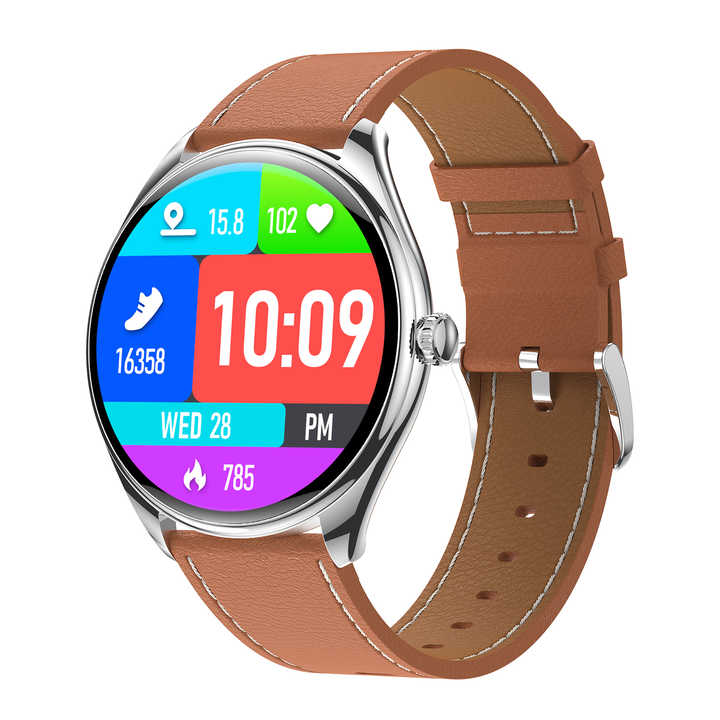 What is a smartwatch?
 The functions and usage methods of smartwatches
 Smart watches revolutionize healthcare: the integration of m