
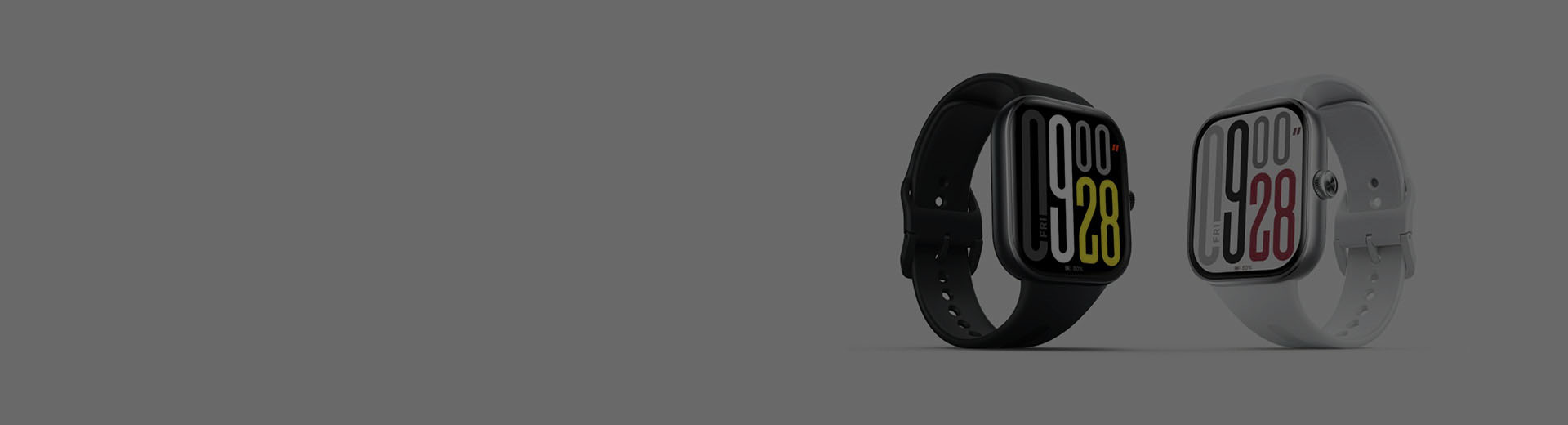
With the rapid advancement of technology, smartwatches have deeply penetrated into people's daily lives, not only providing basic information on time and communication, but also innovatively integrating multiple health monitoring and medical applications, providing strong support for people's health protection.
1、 The health monitoring function of smartwatches
Smart watches can monitor users' health data such as heart rate, sleep quality, and exercise steps in real time through various built-in sensors. These data, in collaboration with medical professionals, can provide doctors with accurate patient information and help them make more accurate diagnoses and treatment plans.
(1). Real time heart rate monitoring
The built-in heart rate sensor in smartwatches can monitor the user's heart rate in real time, which plays a key role in evaluating the user's heart health status and guiding the adjustment of exercise intensity. Whether in exercise or daily life, smartwatches can record and track users' heart rate data, allowing users to better understand their health status.
(2) Sleep quality monitoring
The built-in sleep monitoring function of smartwatches helps users understand their sleep status, record snoring, and more. These data, in collaboration with medical professionals, can help doctors determine whether users' sleep problems require further treatment, thereby providing more accurate personalized health recommendations.
(3). Step monitoring
The built-in pedometer of the smartwatch can monitor the user's steps in real time, helping them understand whether their exercise level meets the standard. In addition, these step data can also serve as one of the reference indicators for doctors to evaluate patients' physical condition, providing support for developing more accurate health management plans.
2、 Medical applications of smartwatches
In addition to health monitoring functions, smartwatches also have various medical applications, providing more protection for people's health.
(1). Remote healthcare
Smart watches can achieve remote medical functions by connecting with smartphones or other devices. Users can communicate with doctors through smart watches to obtain professional medical advice and treatment plans. Meanwhile, doctors can also remotely monitor patients' physical condition through smart watches and adjust treatment plans in a timely manner.
(2). Emergency function
Smart watches are usually equipped with emergency distress functions, allowing users to make emergency calls through simple operations. In the event of danger or sudden illness, users can quickly contact rescue personnel through the smart watch to save valuable treatment time for themselves.
(3). Personalized Health Management
Smart watches can provide personalized health management recommendations based on users' health data and daily habits. For example, smart watches can recommend suitable exercise methods and reasonable time schedules based on users' exercise preferences and physical conditions. In addition, smartwatches can also remind users to replenish water and adjust their diet structure in a timely manner, helping them develop a healthier lifestyle.
3、 The impact of smartwatches on the healthcare industry
The application of smartwatches in the medical field has brought many changes to the medical industry. Firstly, smartwatches make it more convenient to obtain personal health data, which helps improve the efficiency and quality of medical services. Traditional medical models require patients to undergo regular physical examinations, while through the real-time monitoring function of smartwatches, doctors can quickly understand the patient's health status and provide more targeted treatment. Secondly, the application of smartwatches has changed the mode of medical services, making remote medical care and personalized treatment possible.
This provides more treatment opportunities for remote areas and restricted patients, reducing the medical burden. Finally, the combination of smartwatches and healthcare has also driven innovation and development in the healthcare industry. More and more technology companies and medical institutions are collaborating to develop new smartwatch features and applications to meet the growing demands of consumers.
Finally, it should be noted that the data from smartwatches can only serve as a reference for medical diagnosis and cannot replace the diagnosis of professional medical personnel. For some complex diseases and problems, patients still need to seek the advice and assistance of professional doctors. In addition, privacy protection is also an important issue. When processing personal health data, it is necessary to ensure the security and confidentiality of the data, prevent information leakage and abuse.
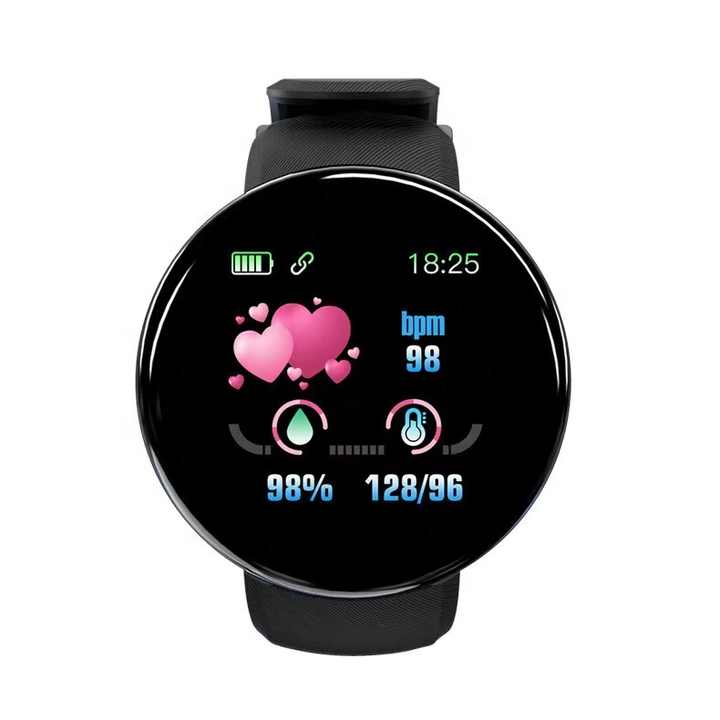 How does a smartwatch measure blood oxygen? Let's explore th
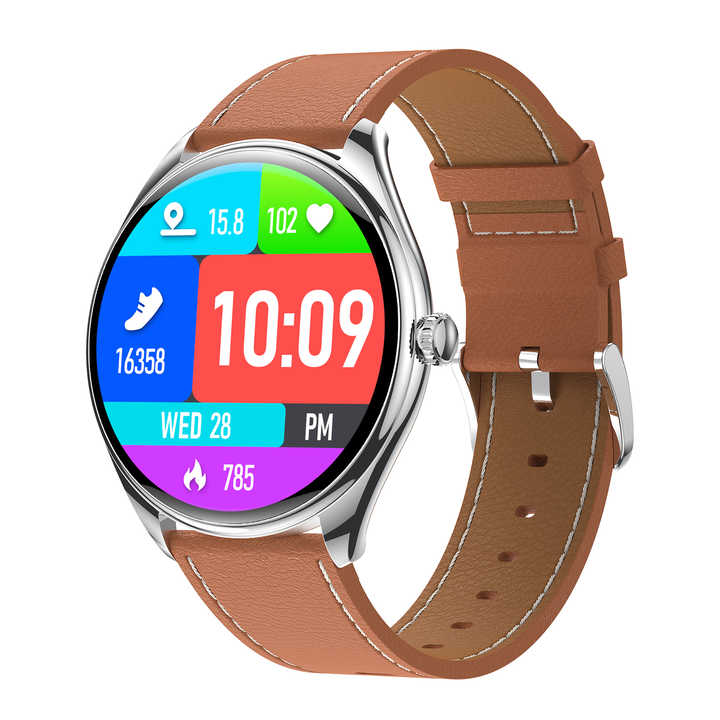 What is a smartwatch?
 The functions and usage methods of smartwatches
 Smart watches revolutionize healthcare: the integration of m