

Due to its small size, lightweight wearing, and the ability to function as both a watch and some smartphones, smartwatches have become an increasingly popular choice for watch lovers and healthy individuals. The monitoring function of smart watches for physical health is a focus of attention for many people, including blood pressure, blood oxygen index, sleep quality, energy consumption during exercise, etc., all of which can be displayed through smart watches. Blood oxygen is closely related to human health, so how does a smartwatch achieve blood oxygen measurement?
Which groups of people need to pay more attention to blood oxygen saturation?
We know that climbing in Xizang and other regions often suffers from oxygen deficiency. In fact, not only in the southwest, but also in the high altitude mountains, where the air is thin, oxygen deficiency may occur. It is very convenient for mountaineers to equip watches with blood oxygen function. It is convenient to display the detection results in real time and help mountaineers adjust their actions at any time.
Besides climbers, high-intensity mental work can also lead to hypoxia. For example, students and mental workers may experience headaches and difficulty breathing after prolonged high-intensity mental work, which may indicate hypoxia. A smartwatch will remind you to rest and adjust in a timely manner.
In addition, people who abuse alcohol and snore during sleep also need to pay more attention to their blood oxygen levels, which can lead to serious consequences. Now the Lingwei watch can monitor blood oxygen 24 hours a day, guarding your health day and night.
What is the principle of monitoring blood oxygen with a smartwatch?
The principle of measuring blood oxygen with a smartwatch is that oxygenated blood absorbs more infrared radiation, while deoxygenated blood allows more infrared radiation to pass through. Hemoglobin saturated with oxygen absorbs more infrared light. Hemoglobin with insufficient oxygen will absorb more red light. Simply put, the difference in blood oxygen content will result in different absorption of light in a specific spectrum, and through this difference, relatively accurate blood oxygen data can be calculated.
Usually, smartwatches use photoelectric sensors to measure based on the principle of light absorption by arterial blood. The sports watch is equipped with two light tubes, red light and infrared light, as well as a photodetector. The detected signals are converted into electrical signals to obtain data, so that the watch can calculate the user's blood oxygen saturation.
How much blood oxygen is normal?
Generally speaking, the oxygen saturation of arterial blood in the human body is about 95% -100%, and the oxygen saturation of venous blood is about 75%.
If the arterial oxygen saturation is below 95%, it indicates that a person has hypoxia. If it is below 90%, it belongs to hypoxemia. If it is below 80%, it may damage organ function and even cause damage to the brain and heart.
The importance of oxygen to humans goes without saying, as blood oxygen monitoring has become an essential feature of many smart wearable devices. Leading innovation adopts high-performance red light sensors, which measure more accurately and have higher sensitivity, quickly measuring blood oxygen saturation, helping users adjust their status in a timely manner, and always guarding their physical health.
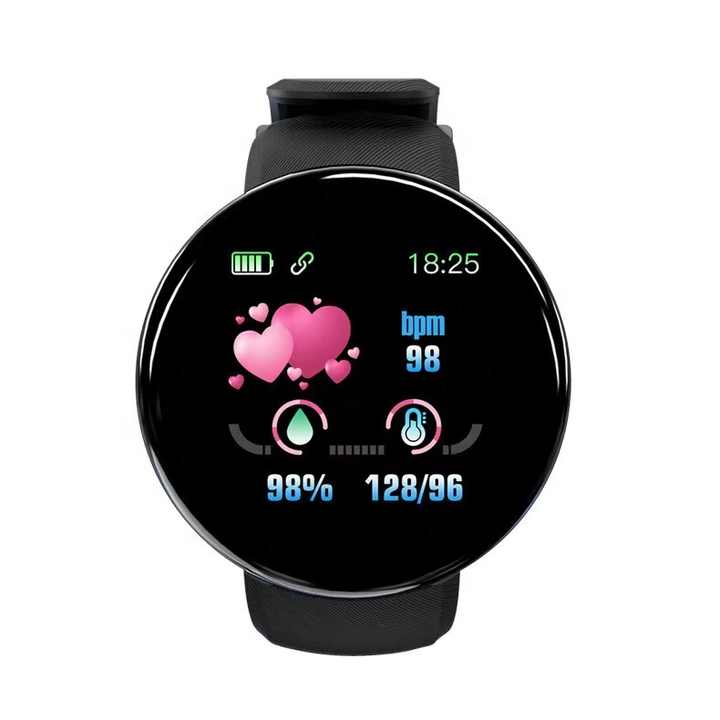 How does a smartwatch measure blood oxygen? Let's explore th
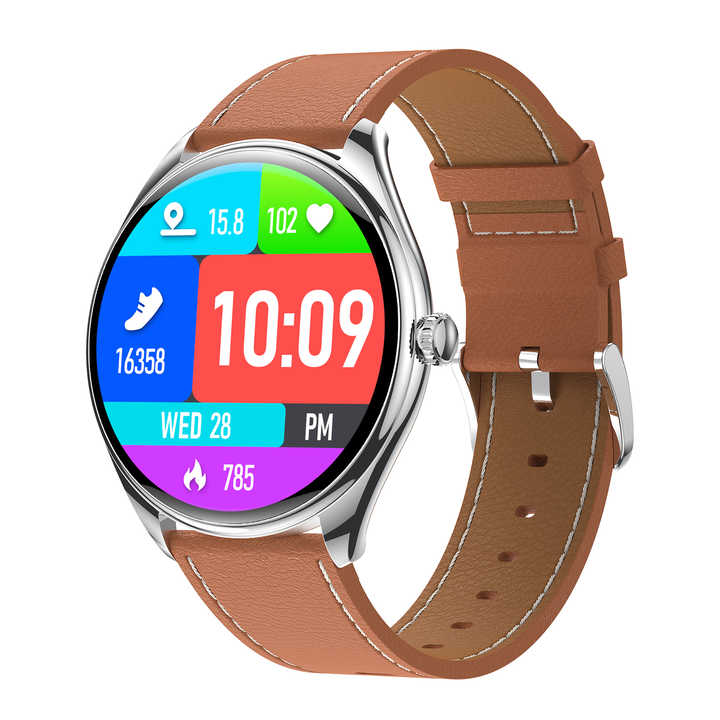 What is a smartwatch?
 The functions and usage methods of smartwatches
 Smart watches revolutionize healthcare: the integration of m